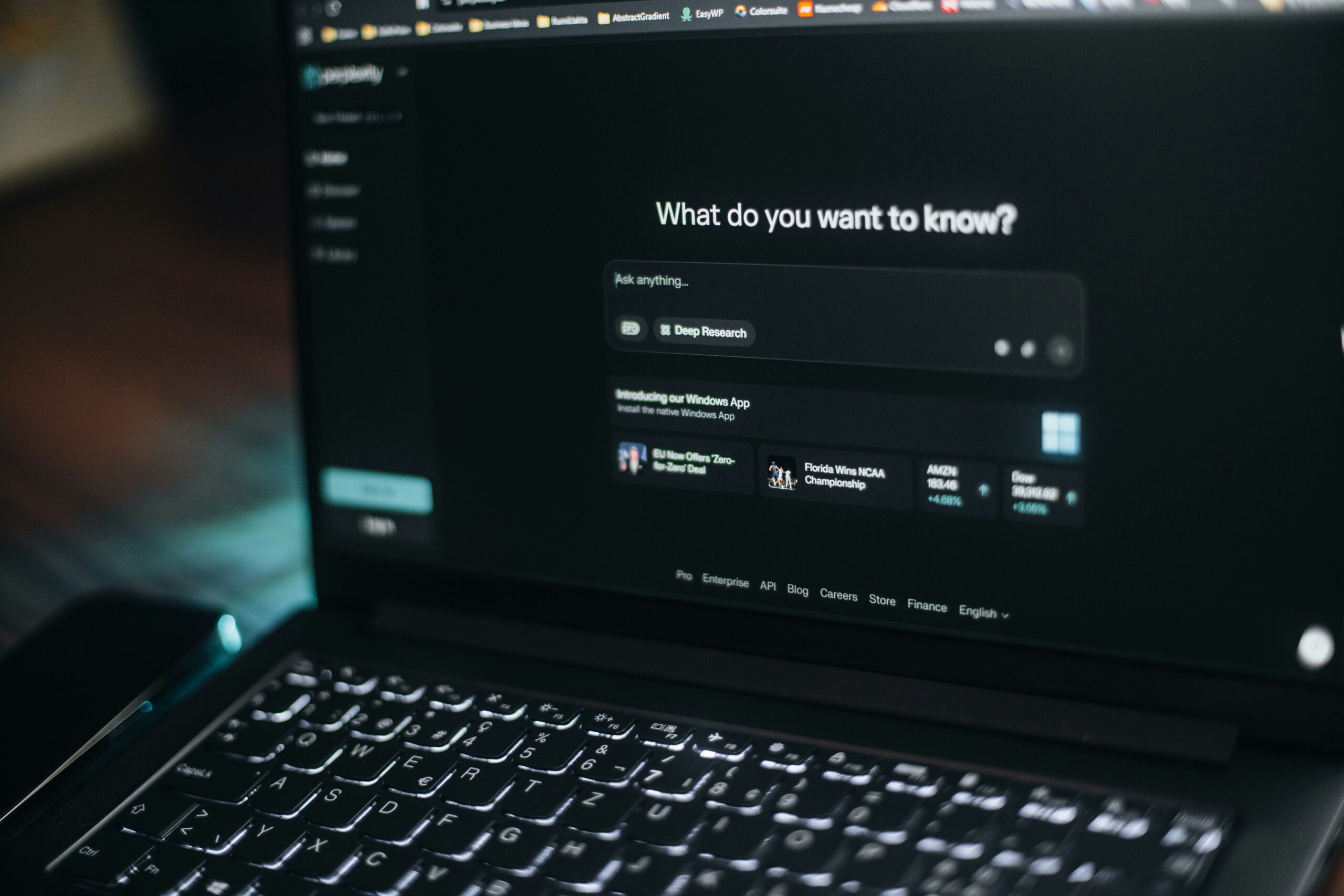
Few years back, If you had asked someone what a typical workday would look like in year 2026, you’ll find that most people probably wouldn’t have imagined how deeply and effectively artificial intelligence would be involved. But today, AI isn’t some fancy add-on but it’s just part of how work gets done.
In many workplaces, today, the biggest change isn’t dramatic or obvious. It’s the very small things. A lot of the small, time-consuming tasks that used to eat up your maximum time like replying to daily routine emails, managing your calendar, or typing in data, are now taken care of quietly by AI in the background, often without you even getting noticed.
You don’t really notice it at first sight, but by the end of the day, you realize you had more time to focus on actual thinking instead of just “doing.”
That time shift has changed how people approach their jobs. Instead of spending hours on repetitive work, employees are focusing more on problem-solving, planning, and creative tasks. It’s not that AI is doing everything, it’s that it’s taking care of those parts of works that most people didn’t enjoy doing that anyways.
Communication at work has also become smoother and professional, almost without people realizing it. For instance, meetings feel less stressful as compared to before now. You don’t have to worry about missing key points because AI tools can summarize discussions and highlight action items and even take minutes of meeting. Even writing emails has become super easy and sometimes you just need a rough idea, and the rest gets polished automatically by AI. It doesn’t replace your voice, but it definitely speeds things up.
Another area where AI is making a noticeable impact is decision-making. Businesses today rely heavily on data, but going through large amounts of information used to take time. Now, AI can scan data and present insights immediately. Managers and teams still make the final call, but they’re doing it with better information in front of them. It’s like having an assistant who has already done all the heavy lifting.
Customer service has probably seen one of the biggest shifts. Not long ago, chatbots were frustrating, limited and sometimes non-responsive and unsatisfactory. In 2026, they’ve become much more capable and reliable. They can understand what customers are asking, and respond naturally and accordingly, and even remember previous interactions with user.
For even small concerns, Chatbots are means of faster solutions without waiting for long . And when something more complicated and difficult comes up, human agents of companies are assigned and they step in with more time and attention to proceed the conversation more precisely.
Work itself has also become more easier and time-effective. Remote and hybrid setups are now common, and AI plays a big role in making them work smoothly. It helps teams stay organized, track progress, and manage deadlines without constant check-ins. In some cases, it even suggests the best times for people to work based on when they’re most productive. That kind of support makes a difference, especially when teams are spread across different locations.
Learning at work is changing too. Instead of sitting through long, generic training sessions, employees are now getting more personalized recommendations. If someone needs to improve a specific skill, AI can point them toward the right resources so that it doesn’t feels like forced training but learning that actually fits your needs.
But not everything about this shift is simple, of course. There are real concerns, especially when it comes to job roles changing. Some tasks are disappearing, while new ones are being created. This means people have to keep learning and adapting, which isn’t always easy. But at the same time, it’s also opening doors for new kinds of work that didn’t exist before.
There’s also the concern of trust and accountability. Since AI relies heavily on data, companies have to be careful and aware about how that data is being used. People want to know that their information is safe & secure and decisions made with AI are fair and ethical. This has made ethics and transparency more important than ever.
What’s interesting is how all of this things are quietly changing workplace culture in terms of work. With spending less time on daily repeated tasks, people can focus on work that feels more meaningful and reliable. That doesn’t just improve productivity but also affects how people feel about their jobs.
In final words, AI in 2026 isn’t about that robots are taking over humans. It’s more about support and help. Ai now, helping work run smoother, faster, and a bit smarter. The real impact comes from how people use it. Those who learn to work alongside AI technology are finding better ways to manage their time and energy.
Work hasn’t become less human, it’s just becoming more focused on what humans do best.